
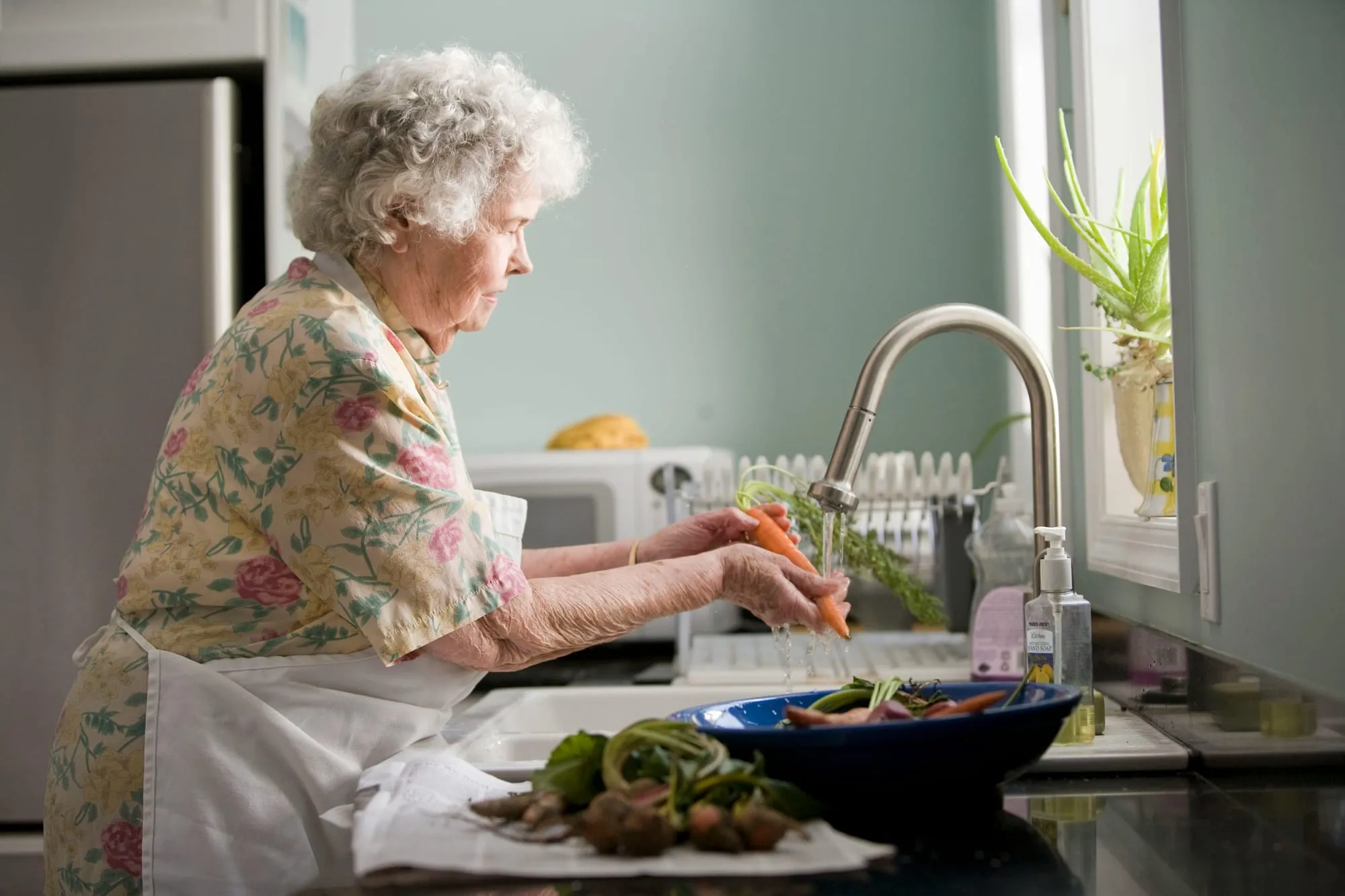
Home building has come a long way to be accessible and easily adaptable to mobility needs, but for many, home renovations can be too costly or too large a project to handle. So what do we need to be aware of for our loved ones who may be struggling with the stairs or light switches that are becoming out of reach?
The good news is that most home safety improvements are simple, affordable and quick to put in place. Our checklist walks through the areas of the home most worth reviewing, room by room, along with practical, low-effort changes that make a genuine difference to safety and confidence at home.
Why Home Safety Deserves Regular Attention
Falls are one of the most common causes of injury for older adults living at home, and many happen in entirely ordinary circumstances: getting up in the night, stepping out of the shower, or simply moving between rooms. The encouraging part is that a large proportion of these incidents are preventable with fairly small changes.
A home safety review of someone's home does not need to be a formal exercise; it can be something you notice on each visit. Often, simply noticing and suggesting a few things that could help is all that is needed, so you don't arrive with a long list of expensive home improvements, which can be very overwhelming. Ask yourself these questions:
- How are the stairs being used?
- What things in the kitchen cupboards need to be more accessible?
- Are the buttons on the phone or TV remote big enough?
- Are lamp switches easy and comfortable to use?
- What shelves are becoming out of reach?
- How accessible is the house for a wheelchair?
- Are their chairs too low to easily get out of?
- Can they still open a can of beans or tuna?
Many things you don't realise can become a huge blocker in the home, so over time, spot small changes that can be made.
Hallways and Staircases
Hallways and stairs are among the highest-risk areas in any home, largely because they are used frequently, often in low light, and require sustained balance.
Check that lighting is bright enough on the stairs and in hallways, and consider adding a night light for use after dark. Handrails should run the full length of the staircase on at least one side, and ideally both, and should feel secure when tested with a firm grip. Clear away anything stored on the stairs, even temporarily, as this is a surprisingly common cause of trips. Loose rugs or mats in hallways should be secured with non-slip backing or removed altogether.
The Bathroom
Bathrooms combine hard surfaces, water and often limited space, which makes them a particular priority for safety changes.
A grab rail beside the bath or shower, and another near the toilet, provides secure support during the movements that carry the highest risk, such as sitting down or standing up. A non-slip mat inside the bath or shower reduces the chance of a slip on a wet surface. A shower stool or seat can make washing significantly safer and less tiring for anyone with reduced balance or stamina. Raising the height of a low toilet with a raised seat can also make a meaningful difference.
The Kitchen
The kitchen involves a lot of movement, bending and reaching, all of which carry some risk if mobility has changed.
Keep frequently used items within easy reach, ideally at waist height, to avoid unnecessary stretching or the use of steps or stools. Check that flooring is not slippery, particularly near the sink, and clean up spills immediately rather than leaving them. If grip strength has become an issue, lever-style taps are considerably easier to manage than round ones. A stable chair or perching stool can also help make food preparation less tiring.
Bedrooms
Bedrooms are where many falls happen during the transition between sleep and waking, particularly at night.
A lamp or light switch within easy reach of the bed makes a real difference for nighttime trips to the bathroom. A clear path from the bed to the door, free of trailing cables or furniture, reduces risk considerably. If getting in and out of bed has become difficult, a slightly higher bed or a bed rail can provide useful support.
If the bathroom is too far away, or becomes too much of a hazard during the night due to sleepiness or night medication, perhaps a commode next to the bed is a safer option.
Living Areas
Side tables, cables, decorative rugs, cushions and fireplaces can all become hazards, even though someone has lived with them for years.
Check that furniture is arranged to allow clear, wide walkways. Secure or remove trailing cables from lamps, phones and chargers. Choose a chair with firm armrests and a supportive seat height, since a chair that is too low or too soft can make standing up unexpectedly difficult. If rugs are important to keep, ensure they lie flat and are fitted with a non-slip underlay. Replace lamp switches and light switches with ones that are easy to press, or with pull cords, and consider brighter light bulbs in darker rooms.