Living at home is a very personal choice for anyone who needs a little extra support with daily life. Whether it is old age, a disability or different needs, staying at home or moving to supported accommodation is a big choice. If the choice is to stay at home, there are a number of things a person will need to live comfortably and safely.
To stay independent at home you will need to think about equipment, care and daily housekeeping, but the best place to start is how a person's whole week works. Daily routines need structure, company, purpose and a sense of control. This guide looks at what genuinely helps, drawing on the everyday realities of home life rather than just the practical basics.
Routine Matters
There is a quiet kind of stability that comes from knowing what happens when. A cup of tea at the same time each morning. A regular day for the cleaner. A weekly visit from a hairdresser or chiropodist that breaks up the week and gives you something to look forward to.
For many people, especially as memory or energy levels change, routine reduces the mental load of daily life. It is one less thing to think about, plan or worry over. This is part of why consistency in home support tends to work better than an ad hoc approach. Seeing the same carer, the same cleaner or the same visiting professional builds familiarity and trust.
Company Counts as Much as Care
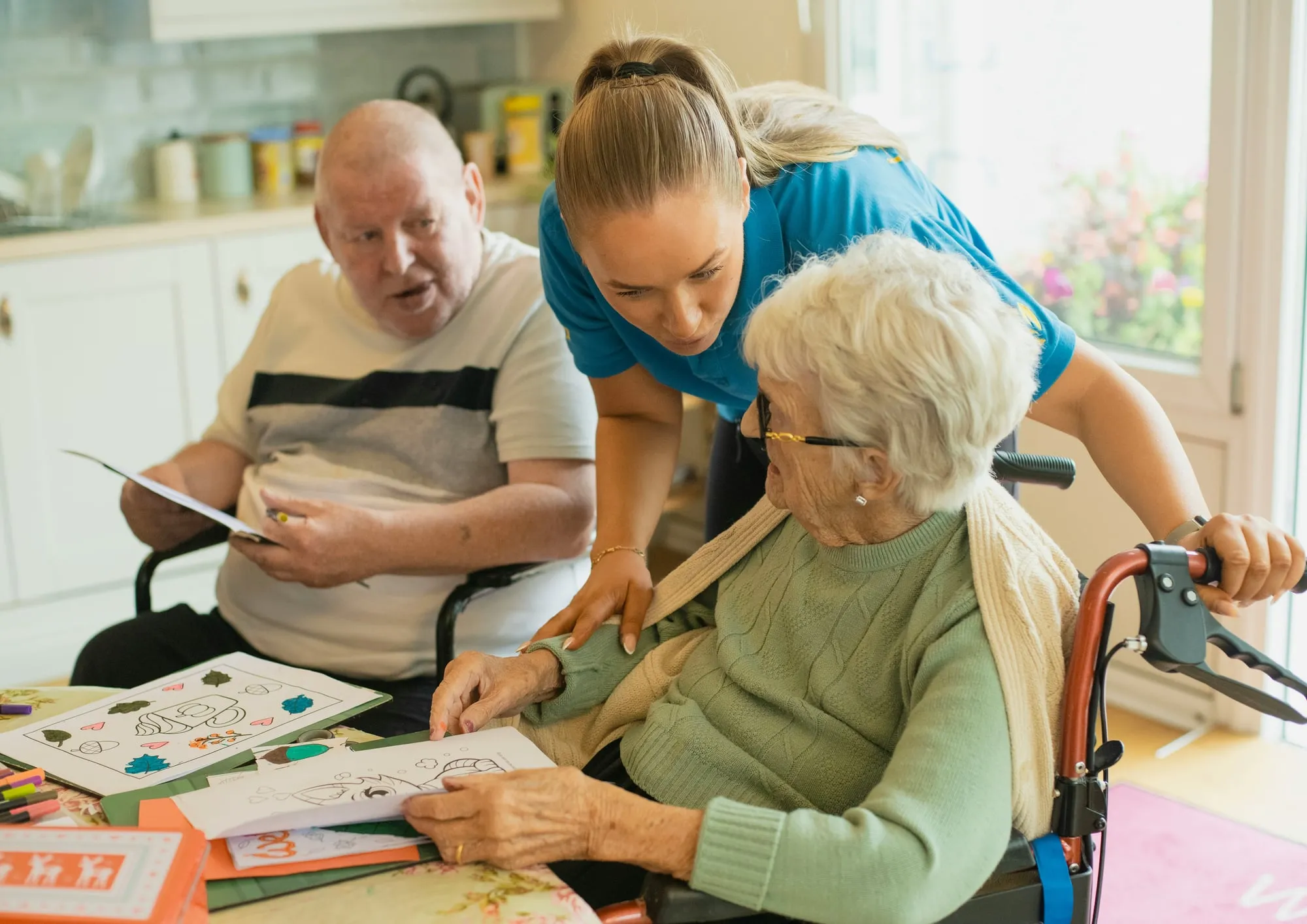
Practical tasks such as cleaning, cooking and personal care matter, and company matters just as much. Staying socially connected is one of the most valuable parts of living independently at home, with a real, positive effect on both mental and physical health.
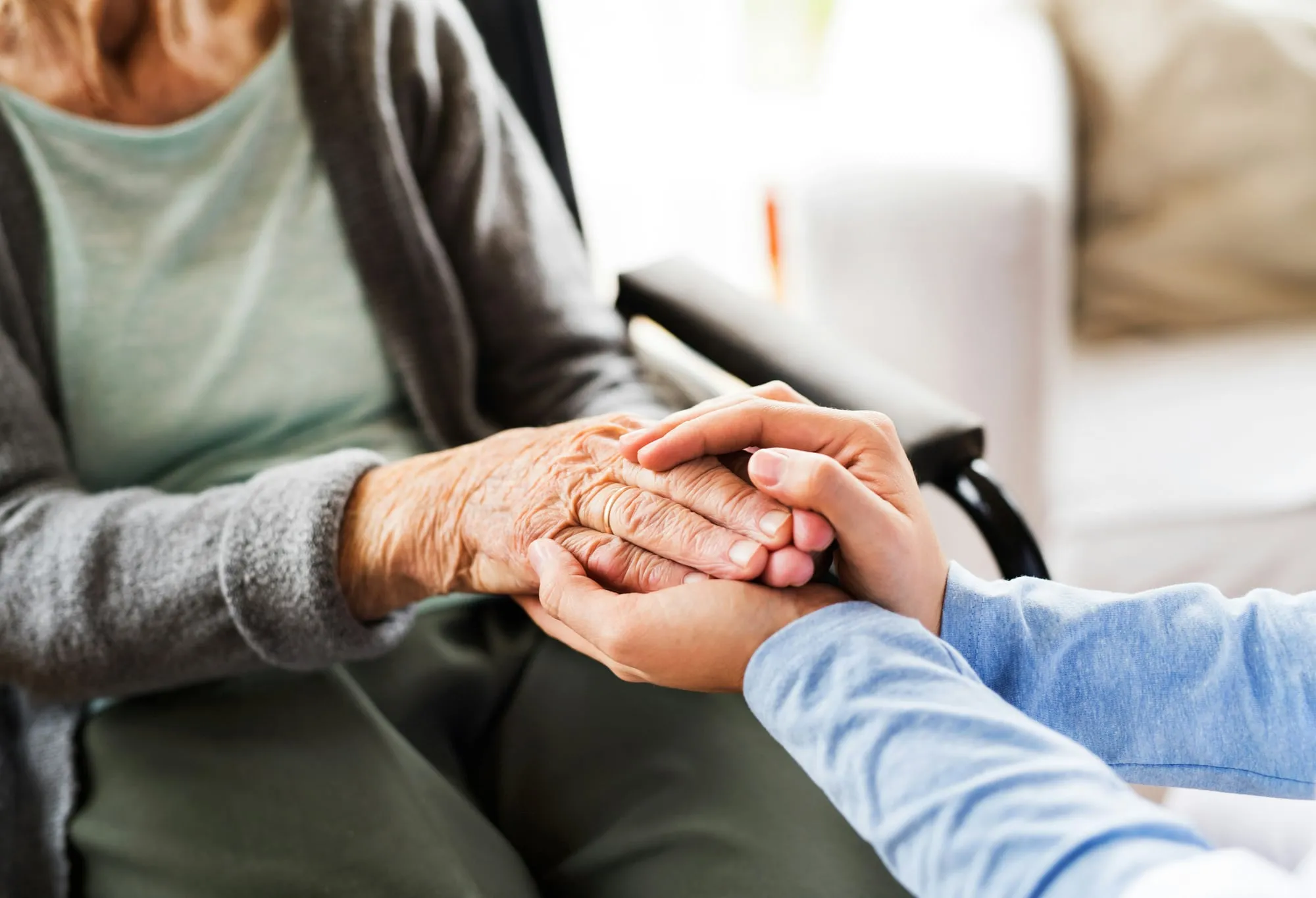
A short conversation with someone visiting the home, whether that is a carer, a hairdresser or a companion, often matters just as much as the task itself. Many people describe looking forward to a visit not because of what gets done, but because of who is coming. This is worth remembering when arranging support: a friendly, familiar face can be just as valuable as a specific skill.
Where possible, choosing providers who take a little time for conversation, rather than rushing in and out, tends to make a noticeable difference to overall wellbeing.
Small Environmental Changes Add Up
When mobility aids are needed, there are small changes you can make to the home before thinking of a home overhaul and installing stairlifts and specialist baths. Better lighting in hallways and on stairs reduces the risk of trips, particularly in the darker months. Lever taps are easier to manage than round ones for anyone with reduced grip strength. A shower stool turns a stressful daily task into a manageable one. Tidying up cables and removing loose rugs takes minutes but removes risks of tripping or falling.
None of these changes are expensive or disruptive, yet together they can meaningfully reduce the risk of a fall or injury, which remains one of the biggest threats to independent living.
Managing Health and Care
A trip to the dentist, optician or podiatrist might seem straightforward, but for someone with limited mobility or no easy transport, it can become a source of real anxiety, or something that gets put off entirely.
This is where home visits for health and wellbeing genuinely change people's lives. When appointments can be carried out at home, anxieties are reduced and you can feel more comfortable knowing you do not need to worry about transport, walking distances, stairs or where the nearest toilet is.
Having a Say in What Support Looks Like
Independence is fundamentally about choice, so support works best when the person receiving it has genuine input into what it looks like. This might mean choosing which days a carer visits, which tasks they help with, or simply having the option to change a provider that is not the right fit.
Families sometimes assume they know what would help most, and often they do, but it is always best to place choice in the hands of the person receiving the help where possible. A cleaner twice a week might matter less to someone than an hour of company on a Wednesday afternoon. Support that reflects actual preferences, rather than assumptions, tends to be used and appreciated far more.
Staying Connected With Family
One of the most important elements of living independently is creating a balance between family staying informed and a person feeling their independence is being monitored. Sharing a simple update after a home visit, such as a short note on how the appointment went, tends to work well because it keeps family reassured without requiring constant check-ins or phone calls that can feel intrusive.
This kind of light-touch communication also helps families who live further away or cannot always be present in person. Knowing that a visit went well, or if there are any issues, or that the individual is not feeling well and needs a follow-up, or a family member wants to check in, brings peace of mind without anyone needing to ask questions and check up on the individual, striking a balance between normal conversation and asking about wellbeing.